
Start from a counterintuitive observation: the brightest white is unforgiving. When you train new techs on an ultra-opaque white acrylic, every small mistake becomes visible. That quality makes this powder an excellent training tool — it forces discipline in preparation, application, and finish. Use that pressure to build reliable habits instead of letting it intimidate your team.
Preparation Standards
Set clear bench and client prep protocols before the product touches the nail. Teach technicians to check workstations for clean, dry trays and a dust-free surface. Use nitrile gloves if preferred, but emphasize that tactile sensitivity is important when handling powders and monomer. Require face masks or respirators rated for fine particulate to reduce inhalation during filing and powder handling.
Introduce a consistent sequence your staff must follow: client consultation, cuticle work, surface buffing, dehydration, primer (if used), then bead placement. Explain why: this white powder provides minimal forgiveness for uneven bases, so a perfectly prepared natural nail and acrylic base layer are essential to avoid visible inconsistencies once cured and glossed.
Product Handling
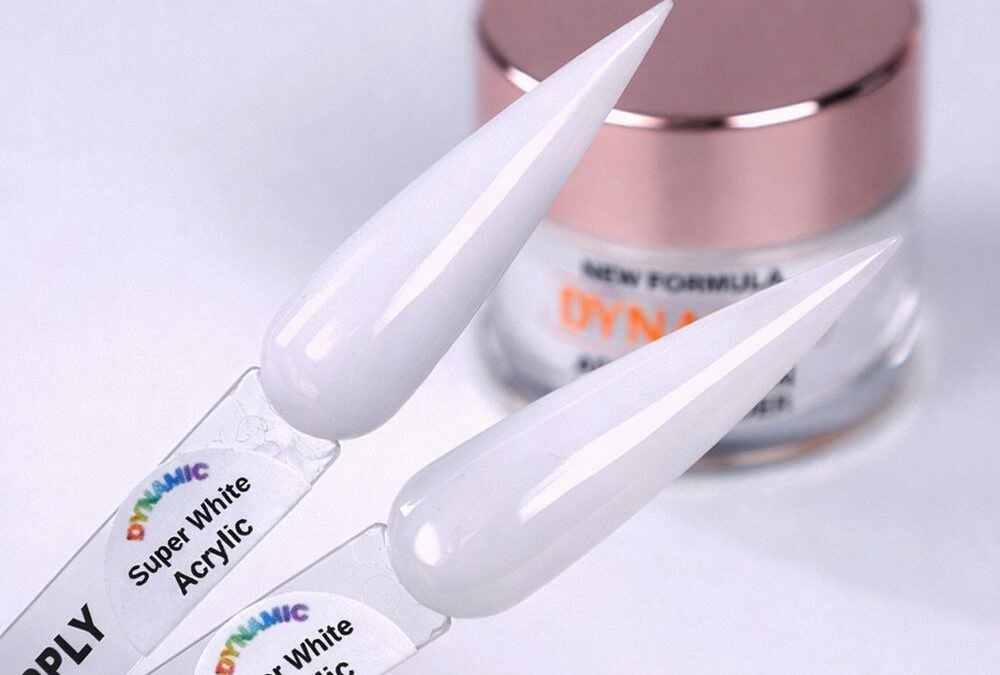
Teach proper jar use and material economy. Show techs how to tap excess powder back into the jar and avoid scooping which increases contamination. Emphasize keeping the rose-gold metallic lid closed when not actively working; the pictured clear jar highlights how product appearance and cleanliness matter in a premium presentation.
Cover dosing: start with small beads for controlled placement on long shapes such as stiletto or tapered tips. This ultra-bright white is highly pigmented, so teach staff to work in thin layers for easier shaping and reduced heat. Demonstrate consistent bead size relative to nail length so finish uniformity is repeatable across clients.
Application Workflow
Break the application into repeatable stages. Train technicians to:
- Place the initial bead at the stress point and press toward the free edge for overlays or tip blends.
- Sweep and pat the bead to blend without dragging the pigment; dragging introduces streaking on high-contrast whites.
- Build color in thin, controlled passes rather than one heavy layer to maintain shape and reduce filing time.
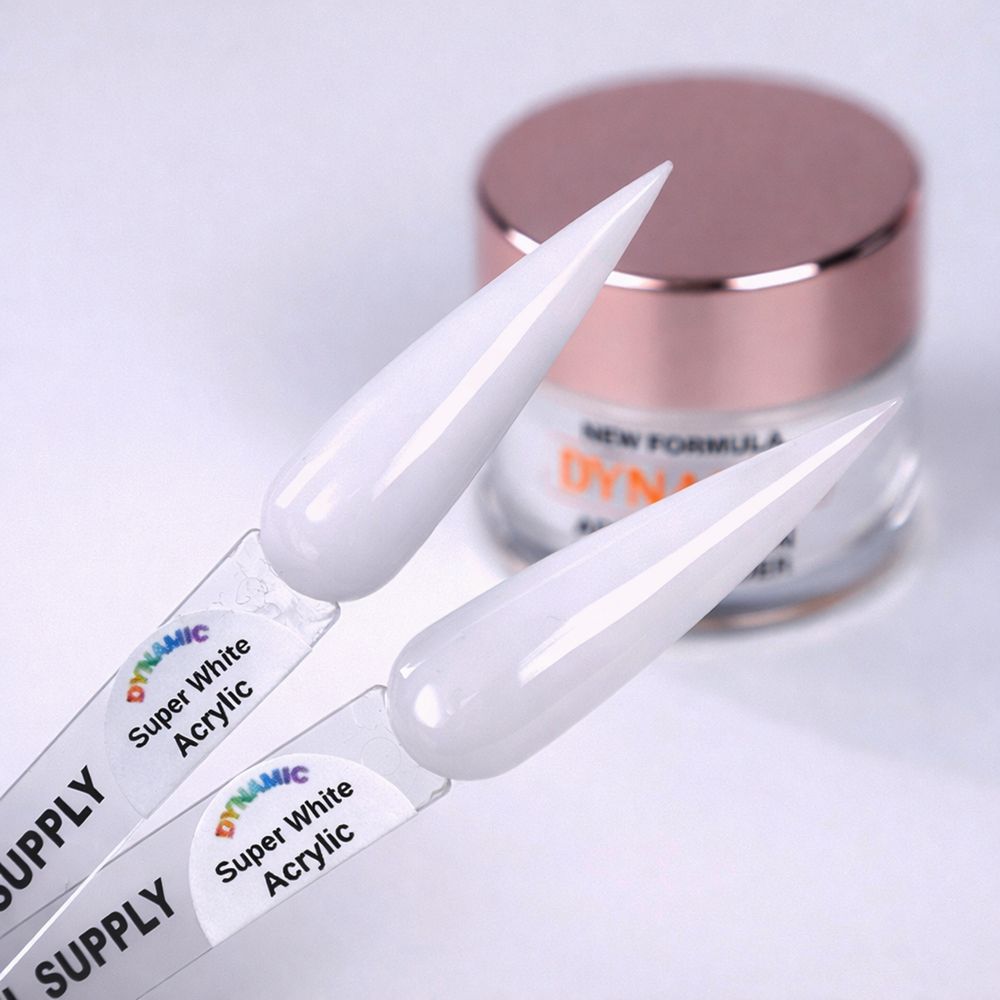
Use a staging drill: after two thin passes let techs pause and evaluate under salon lighting. Bright whites show micro-texture and dust easily, so teach them to inspect the plane and apex before final shaping. When shaping long, pointed nails, instruct on maintaining centerline symmetry; a slight deviation is far more apparent with stark white than with sheerer shades.
Shaping And Finish
File strategically: use medium grit for shaping and finish with finer grits to remove scratches. Teach a multi-step buffing workflow that preserves the ultra-white opacity while achieving a high-gloss surface. Demonstrate wet buffing only if your salon protocol allows; otherwise, emphasize dry buffing with a dust extractor and microfiles to preserve shine.
Topcoat technique is critical. The high-gloss finish in the reference image is part product, part seal. Train techs to apply thin, even coats of a compatible glossy topcoat and to cure per the topcoat’s instructions. Stress that uneven topcoat application will reveal itself more clearly on ultra-bright white.
Prices range $6–$48; may change.
If you want to review the exact jar and finish as shown while you plan a demo, check this link now
Quality Control
Create a seven-point checklist your staff must complete for every set using this powder. Points can include: prep sequence verified, bead size consistency, layer count recorded, apex placement checked, symmetry confirmed, surface free of dust, and topcoat coverage uniform. Require a lead tech sign-off for the first three client sets a new tech performs with the product.
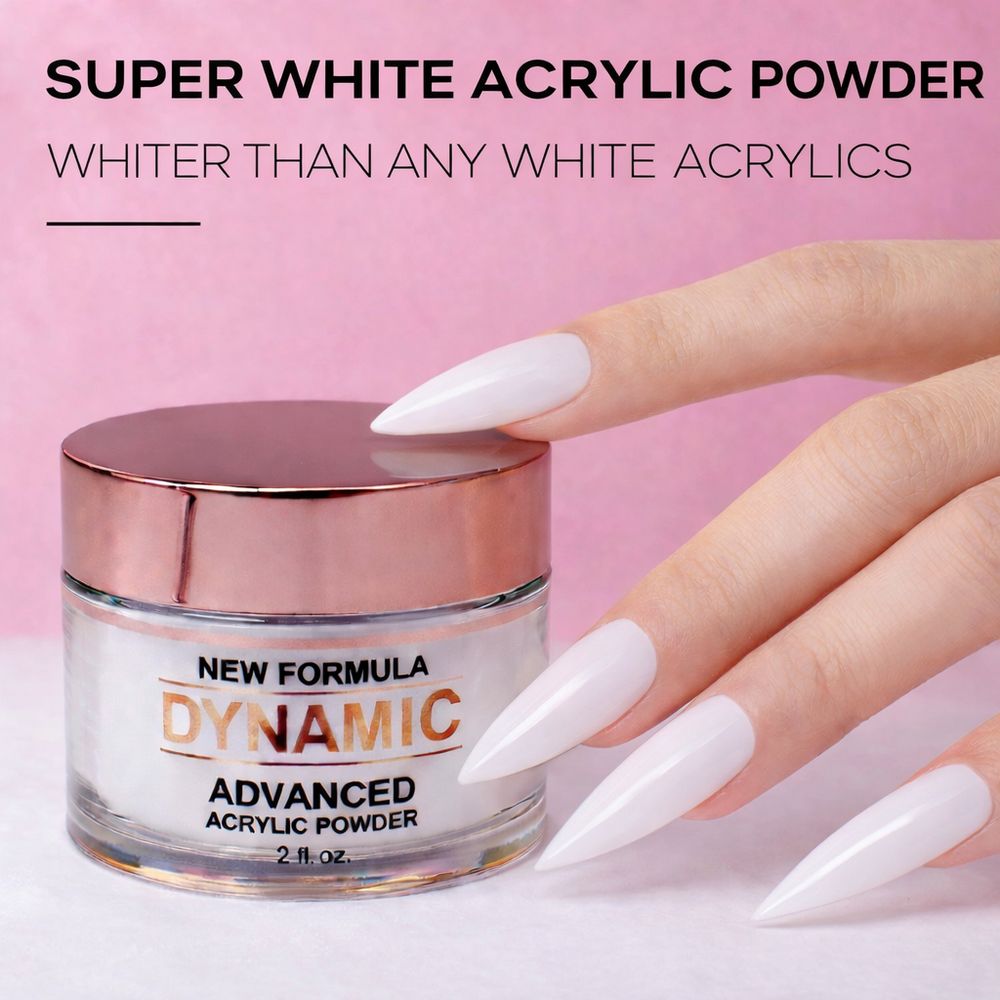
Use visual references. Place a printed sample or swatch on the bench as the standard to match — the image shows a pure bright white on long point nails that can act as a training target. Teach technicians to compare hue and opacity against the standard under consistent lighting to reduce subjective judgment errors.
Common Errors
Train staff to recognize and correct specific faults that become pronounced with intense white pigments:
- Streaking from dragging beads — resolve by reworking the bead with a pat-and-sweep motion.
- Uneven opacity — fix by layering thin passes, not a heavy single application.
- Yellowing or dull appearance later — prevent through correct curing and by avoiding contamination from oily hands or improper storage.
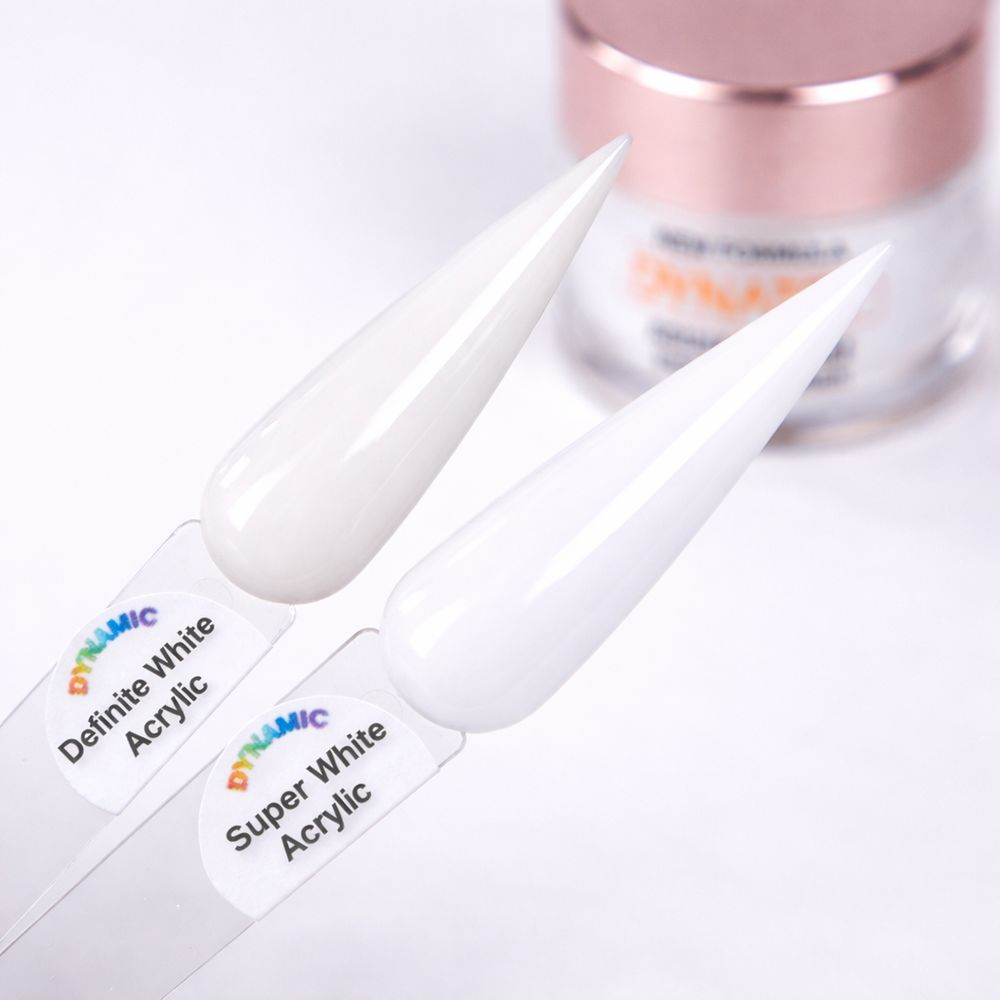
Inspect for hazing at the base and along the cuticle. If present, remove the affected area and rebalance the overlay rather than over-filing, which will thin the set and reduce durability.
Client Communication
Teach technicians to manage expectations around maintenance. Explain how bright whites show growth and wear sooner than sheer shades; set realistic service intervals and aftercare. Provide scripted language for techs to use during consultations so client expectations align with the visual impact of an ultra-opaque white set.
Include a brief aftercare card that reminds clients to avoid harsh chemicals and to use cuticle oil. This preserves the glossy finish and reduces the risk of surface dulling.
Safety And Storage
Cover sensible handling: minimize airborne dust, store jars closed in a cool, dry area out of direct light, and avoid prolonged skin contact. Remind staff to clean work surfaces and vacuum dust promptly. Keep a labeled waste container for filings and used wipes. No medical claims — focus on general shop safety practices and good ventilation.
Best For
- Sharp Franco-style tips and crisp nail art bases
- Long stiletto or editorial shapes that demand visual impact
- Competition sets requiring maximum opacity and contrast
Not Ideal For
- Clients seeking subtle, low-maintenance, sheer overlays
- Beginners not yet comfortable with precision bead control
- Applications where extensive color blending or ombré is the priority
Train with deliberate repetition: run three supervised sets focusing on individual steps rather than speed. As a mentor, reinforce that mastering an unforgiving white builds transferable discipline. If your team wants to study the exact packaging and finish before a hands-on drill, use the product reference above to align expectations.
Explore the product details further when you’re ready to schedule a demo or add it to your stock.