
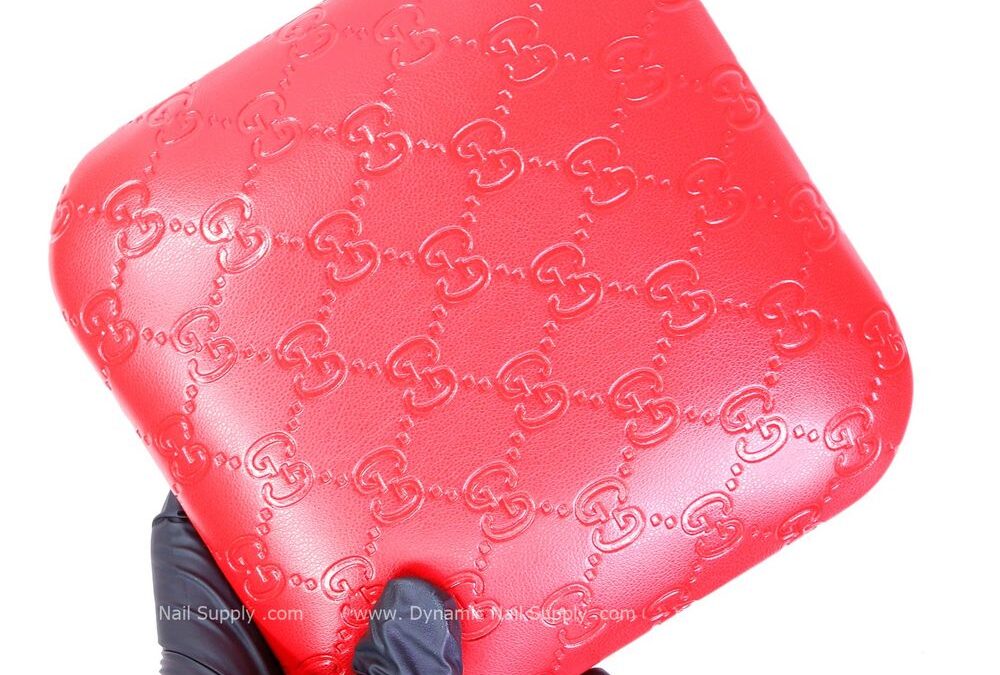
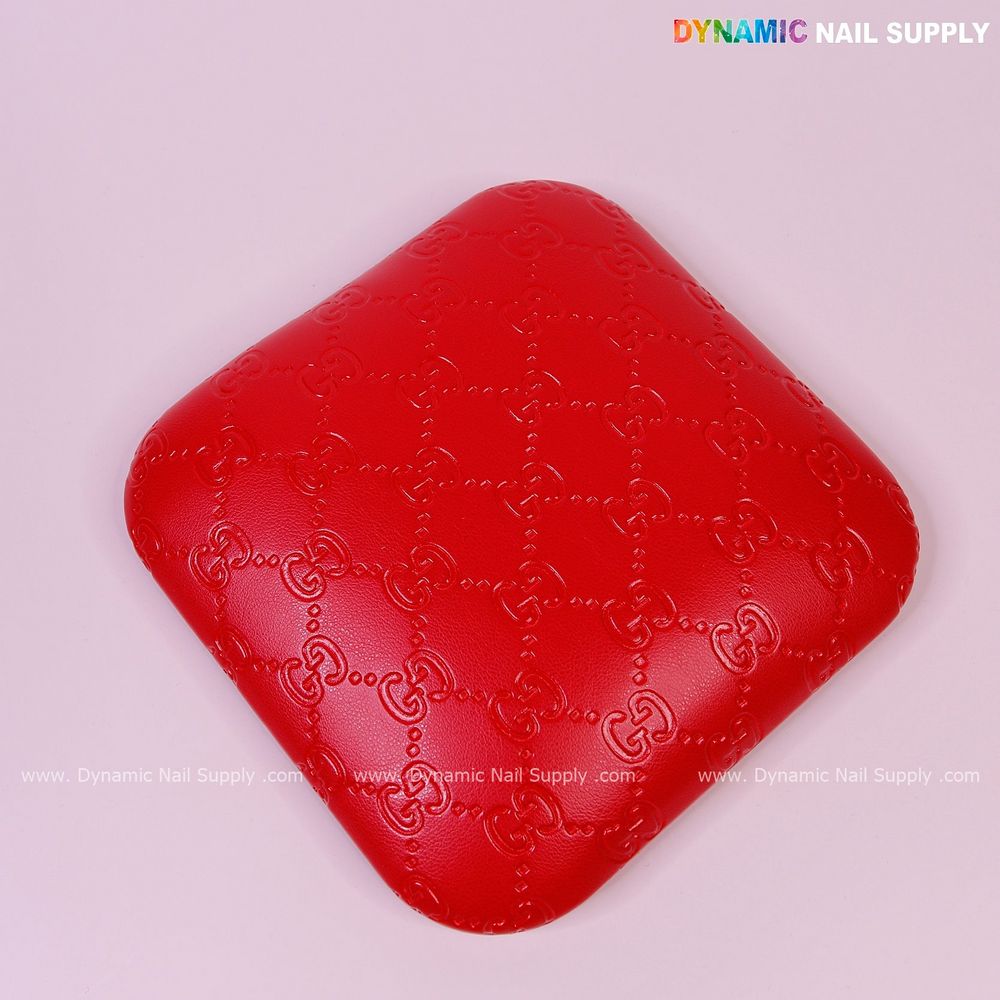
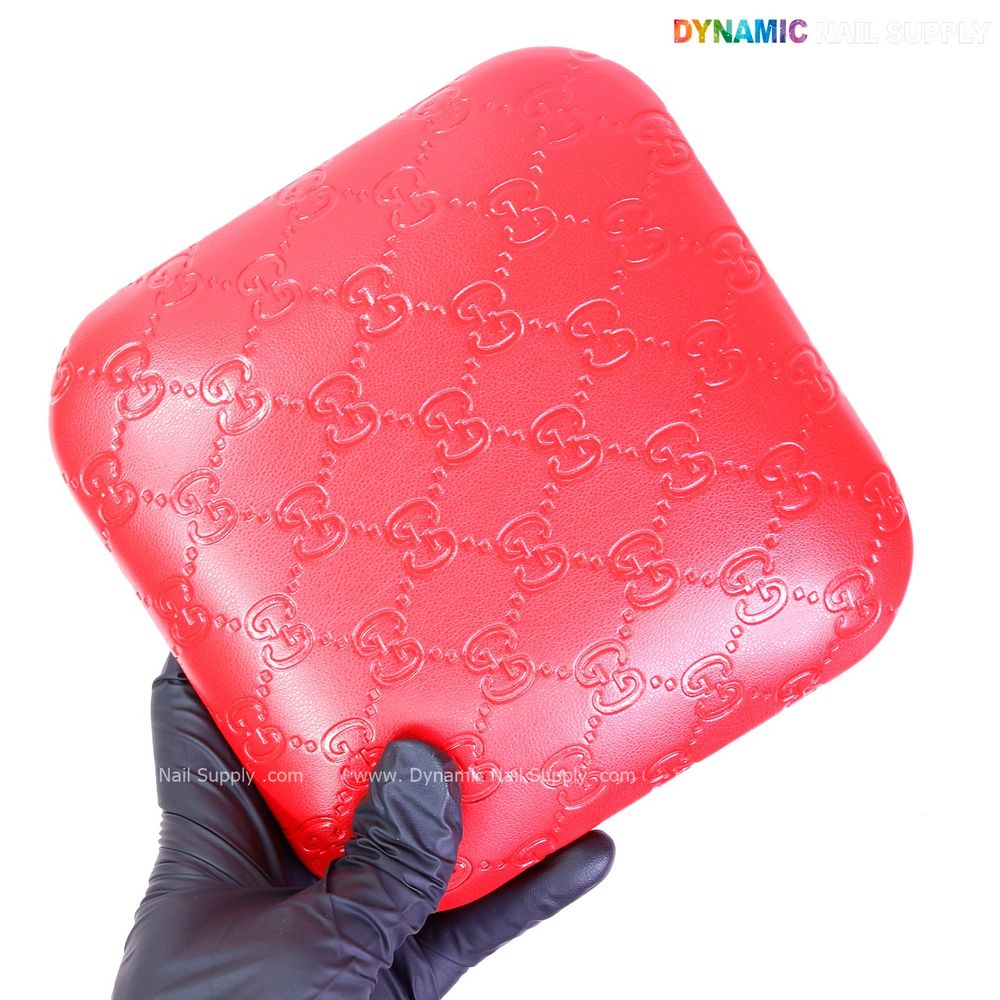
Unusual fact: the glossy raised logo that gives a cherry-red armrest its punch is also the most vulnerable part during routine disinfection. As the mentor in your station, you need a method that removes pathogens while keeping the pebbled faux-leather texture and glossy highlights intact.
Assessment First
Begin every shift by visually inspecting the armrest surface and base. Confirm the red pebbled PU has no open tears, deep gouges, or loose seams. Check the non-slip underside for grit that can abrade the top when the pad moves. If you find structural damage, remove the pad from service until repaired or replaced; surface cleaning cannot fix splits that trap fluids.
Supplies Needed
- Soft microfiber cloths (several, color-coded for hygiene)
- Mild, pH-neutral soap or low‑alcohol foam cleaner formulated for faux leather
- 70% isopropyl alcohol wipes or spray for disinfection (used sparingly)
- Disposable gloves for staff handling used pads
- Small soft brush (soft-bristled toothbrush) for pebbled texture
- Dry lint-free cloth for buffing glossy areas
Cleaning Principles
Train staff on three non-negotiable principles: remove soil first, avoid saturating the surface, and protect glossy raised logos. Excessive soaking or harsh solvents will flatten the pebbled grain and diminish the glossy embossing. The aim is mechanical removal of debris with controlled disinfection that evaporates quickly.
Step-by-Step Routine
- Between clients — quick wipe: With gloves on, use a damp microfiber cloth and a small amount of mild soap to wipe the surface in one direction, catching loose dust and nail dust. Follow immediately with a dry microfiber pass to remove moisture.
- Targeted debris cleaning: For grit caught in the pebbled texture or around the embossed logos, use a soft brush dampened with soapy water. Work gently along the grain; avoid scrubbing across raised glossy areas.
- Spot disinfection: Apply 70% isopropyl alcohol sparingly — either a wipe that is squeezed to be damp but not dripping, or a spray applied to a cloth then wiped. Do not spray directly onto the pad. Allow to air-dry; the alcohol will evaporate quickly without pooling.
- Gloss protection: Immediately after drying, buff glossy embossed highlights with a dry lint-free cloth to restore sheen. Do not use oil-based polishes or conditioners that could attract dust or change color intensity.
- End-of-day deep routine: Repeat the soapy clean and targeted brush work as above, then do a controlled disinfection pass. Inspect seams and underside, remove trapped particles, and store the pad in a dust-free cover.
What to Avoid
- Do not use bleach, concentrated hydrogen peroxide, or highly alkaline detergents — these can dull glossy embossing and degrade PU coating.
- Avoid abrasive pads or hard brushes that flatten the pebbled texture.
- Never soak the armrest or submerge it in liquid; excess moisture can migrate into padding and promote degradation or odors.
- Do not apply silicone or oil-based conditioners to the surface — they alter finish and compromise future disinfection.
Best for
- Maintaining a bold cherry-red, glossy-embossed armrest appearance during heavy salon use
- Short, frequent clean-and-disinfect cycles between clients
- Preserving pebbled faux-leather texture while meeting routine hygiene expectations
Not Ideal For
- Semi-permanent stains from pigments or solvents that have soaked into a torn seam
- Environments requiring hospital-grade sporicidal agents that must be used frequently (these can accelerate wear)
- Cases where the pad has structural damage and must be replaced rather than cleaned
Integration Into Workflow
Make the routine part of a station checklist. Train techs to perform the quick wipe during client transitions and the end-of-day deep clean before closing. Assign cloth colors so each tech uses their own set, and log damaged pads for replacement. If the salon uses multiple pads, rotate them so each gets a full drying period between uses.
Handling And Safety
Wear gloves when performing disinfection. Use alcohol-based disinfectants within ventilation guidelines and avoid inhalation of concentrated sprays. If a client has an open wound on the hand or forearm, remove the pad from immediate service and isolate it until it can be cleaned and verified free of stains; do not attempt to sanitize blood by surface wiping only—follow local biohazard regulations.
Visual Preservation
The armrest’s bright cherry-red surface and glossy raised logo require visual-first care. After each deep clean, make a visual check under good light: glossy highlights should reflect without streaks, and the pebbled texture should show consistent grain. Minor surface dulling can sometimes be corrected by gentle buffing; major loss of sheen signals time for replacement.
Training Drill
- Demonstrate the quick wipe and targeted brush technique on a training pad.
- Have each tech perform a full routine while timed — quick wipe in under 60 seconds, end-of-day deep clean in 3–5 minutes.
- Test their inspection skills by presenting small intentional debris and asking them to locate and remove it without using excess liquid.
- Review handling notes for damaged pads and practice logging and quarantining them.
Price point training note: this elbow pillow pad is priced at $10 when new, though stock and prices may change; factor replacement cost and rotation when deciding how many pads to keep on hand.
As you coach your team, emphasize controlled moisture, gentle mechanical cleaning of the pebbled grain, and sparing use of alcohol to disinfect without dulling the glossy embossed highlights. If you want to reference specifics about how this (Red GC Engrave) Pillow Arm Rest Support Manicure Desk should be handled in a stockroom or client rotation, consider adding one pad per active station and a spare for each mobile tech to minimize pressure on each unit.
For stockroom guidance on rotation and quarantine of a red embossed elbow pillow pad, include elbow pillow pad in your inventory notes.