
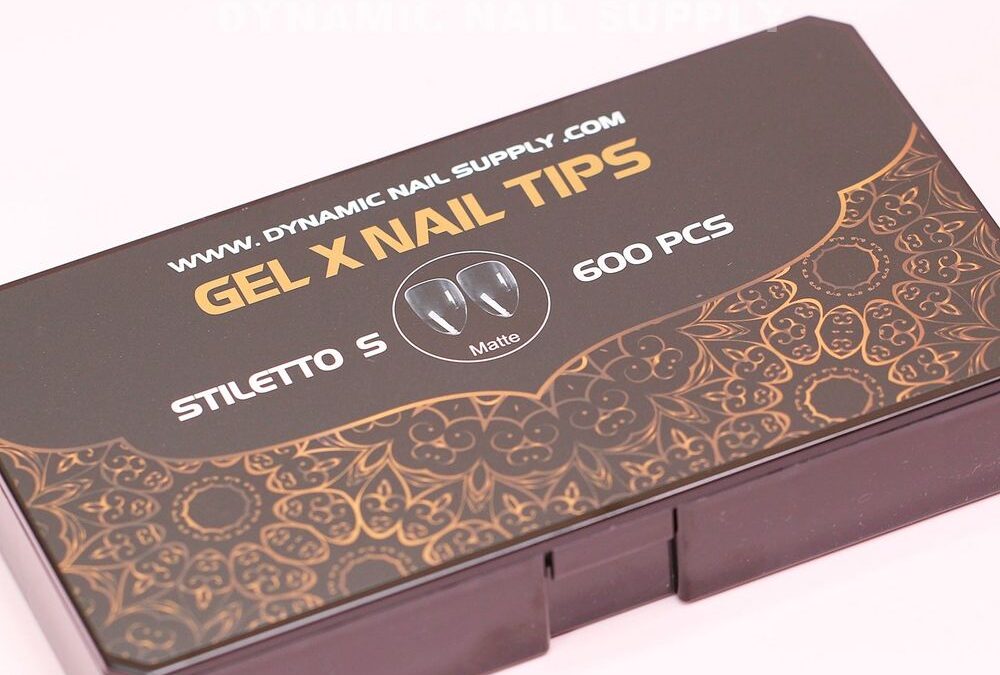
Surprising fact: a decorative box and organized compartments are more than aesthetic — when you train staff to reuse prebuffed matte tips safely, that same packaging becomes a control point for hygiene and traceability. This guide focuses on the [Stiletto S] Prebuffed Matte X 600 pcs Short Length 10 sizes set and gives a repeatable protocol you can teach your team.
Scope And Purpose
Define limits before you begin. You are training staff to perform sanitation, inspection, limited cleaning and conditional reuse of clear prebuffed stiletto short full cover tips used for press-on or Soft Gel X applications. The goal is to protect clients while reducing waste where reuse is reasonable and safe. These tips are clear, matte finished, straight profile items sold in a compartmented box labeled as a 600-piece kit; handle them as non-porous salon supplies.
Station Setup
Teach staff to set a controlled workspace so cross-contamination is minimized. Required items for each station include:
- Disposable nitrile gloves and masks
- Separate trays: incoming used tips, inspected reuse candidates, and rejected items
- Low-lint wipes, soft nylon brush, and micro applicators
- pH-neutral cleaner or mild detergent, and an EPA-registered hospital disinfectant compatible with non-porous surfaces
- Clean, dry storage containers with labels for date and inspector initials
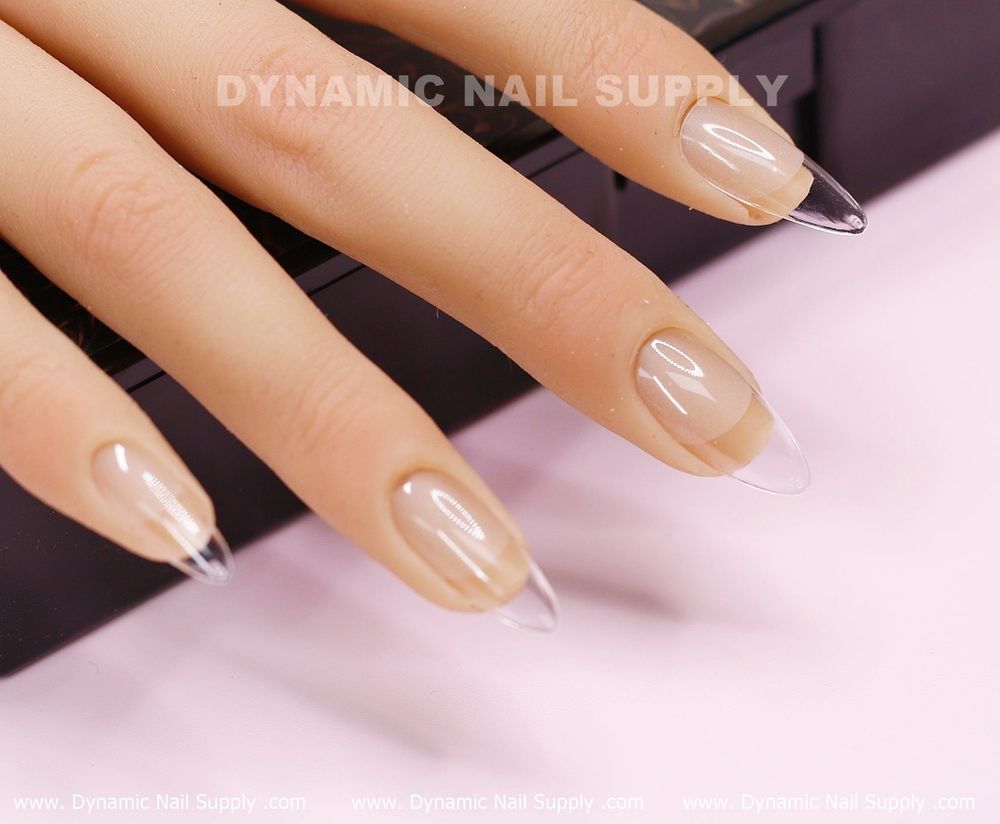
Arrange the station so staff move uni-directionally from dirty to clean to avoid recontamination.
Visual Inspection Checklist
Train techs to perform a consistent visual scan. Use a magnifier or bright lamp and check each tip against criteria. Reject any tip showing:
- Cracks, chips, fractures or loss of structural integrity
- Obvious adhesive residue that cannot be removed without aggressive abrasion
- Deep scratches affecting fit or the matte surface beyond light scuffs
- Contamination trapped within the tip geometry (e.g., embedded debris near the well)
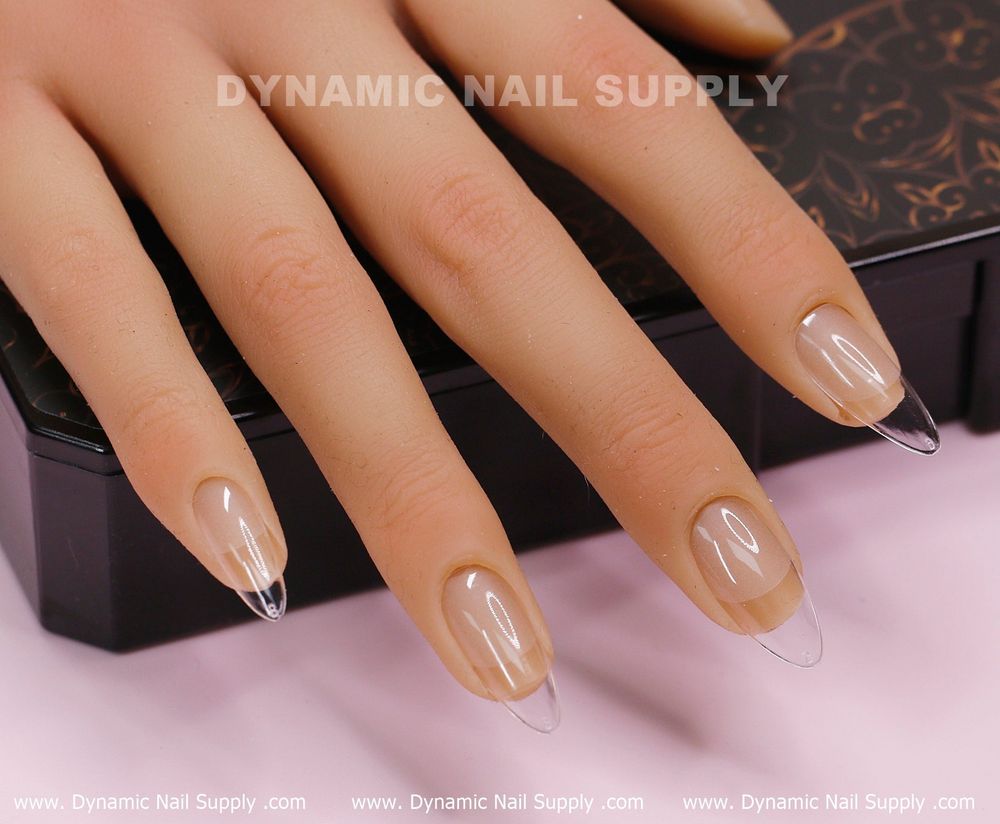
Acceptable candidates for limited reuse should be intact, free of deep residue, and retain the prebuffed matte surface appearance. Sort items into the reuse tray accordingly.
Dry Cleaning And Sorting
Start with dry handling to avoid swelling adhesives or migrating contaminants. Steps to teach:
- Brush each tip gently with a soft nylon brush and wipe with a low-lint cloth to remove loose debris.
- Use micro applicators dipped in isopropyl alcohol (70%) to remove surface dust; avoid soaking structural wells for long periods.
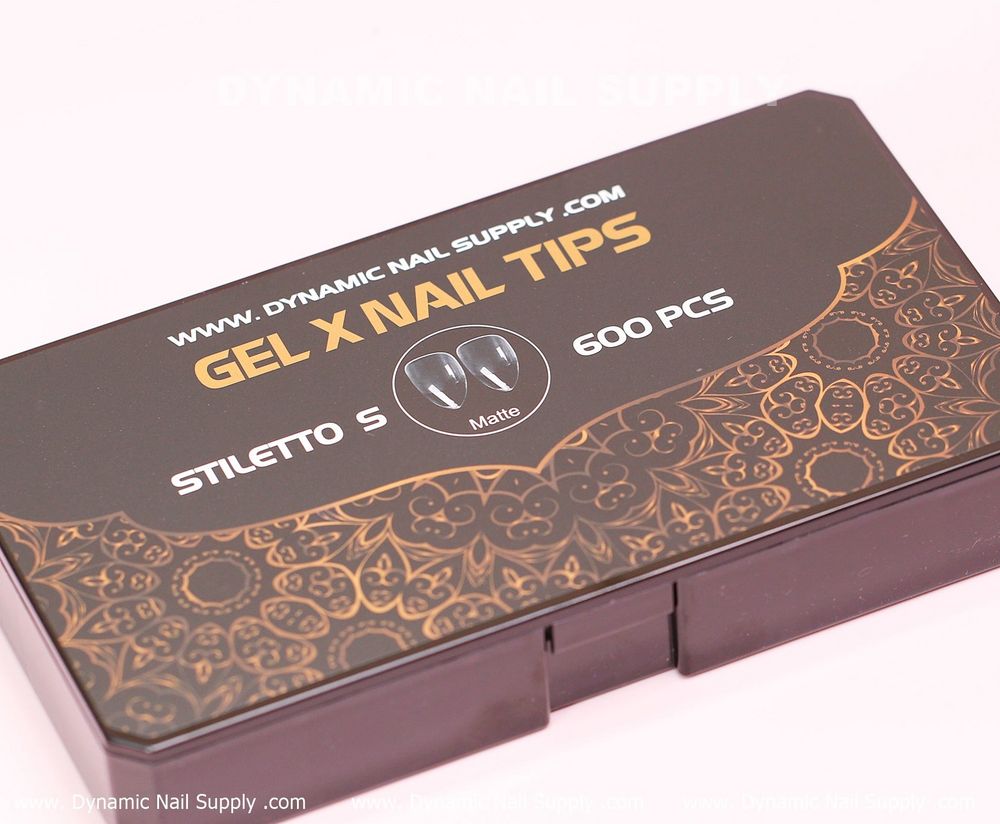
- Place tips on a clean tray arranged by size — the Stiletto S kit contains ten sizes and a labeled compartmented box that aids organization.
Targeted Residue Removal
If adhesive or product residue remains, teach conservative remediation rather than aggressive abrasion that alters fit. Protocol:
- Soak a cotton-wrapped micro stick in a mild solvent recommended for adhesive removal and apply briefly to residue spots; test one tip first.
- Gently lift softened residue with a microfiber wipe; do not file or e-file the fitting edge or the prebuffed matte face.
- If residue requires scraping that changes profile or matte finish, reject the tip.
Disinfection Procedures
After cleaning, disinfect using an EPA-registered product approved for non-porous salon items and follow label contact times. Train staff to:
- Fully immerse or thoroughly wet the tip surface as required by the disinfectant instructions.
- Observe the specified contact time; do not shortcut this step.
- Rinse only if the disinfectant label requires rinsing; otherwise allow to air-dry on a disinfected surface.
For a quick reference lead-in to the product details and ordering used during training, include this resource:
Drying, Fit Check And Storage
Once disinfected and dried, staff should perform a final fit check on a sizing board or against a sample hand. Steps to teach:
- Confirm the straight profile and that the tip has not warped during cleaning.
- Verify the matte face remains intact and that the well edge still seats on a nail bed without gaps.
- Store approved reuse tips in compartmented, labeled containers with date and inspector initials. Rotate stock on a first-in, first-out basis.
When To Approve Limited Reuse
Use a conservative decision checklist. Approve reused tips only if they pass all items below:
- Structural integrity intact — no cracks or stress lines.
- Matte surface visually acceptable — only minor scuffs allowed.
- Residue removable without altering fit or the prebuffed face.
- Disinfectant contact times met and recorded.
- Client consent documented when a reused tip will be applied.
Best For
- Busy salons that need to reduce waste while maintaining client safety
- Practice drills for junior techs learning inspection and sanitation
- Services using full-cover press-on or Soft Gel X where tip integrity remains essential
Not Ideal For
- Clients with compromised nails or open skin conditions at the application site
- Tips that have been heavily sculpted, filed to fit, or e-filed at the well edge
- Situations requiring single-use due to client preference or local regulations
Recordkeeping And Client Communication
Train staff to document inspection outcomes, the initials of the inspector, disinfection batch, and client consent. If a client prefers new tips for cosmetic reasons or allergy concerns, honor that preference. A transparent record protects the salon and builds trust.
Handling And Safety Notes
These tips are non-porous and clear with a prebuffed matte face. Avoid harsh mechanical abrasion on the facing surface and do not use disinfectants that state they damage plastics. Wear gloves during cleaning and disinfection and work in a well-ventilated area when using solvents. If you choose to list price in training materials, note that the kit is commonly sold around $12 but prices may change.
Train with consistent checklists and time-bound drills. Repeat inspections until staff can reliably distinguish an acceptable saved tip from one that risks fit or client safety. For hands-on practice, stage the compartmented dark brown box with the gold mandala as a sorting station — its organization supports traceability and speed.
Explore the set details and packaging features to integrate them into your station layout and training drills.